The UK Under-16 Social Media Ban: Brilliant Move or Enforcement Nightmare?
Let’s face it, the nightly row over screen time has become a standard feature of British family life. Whether you're a parent in Manchester trying to pry an iPad away at bedtime, or a headteacher in Bristol dealing with the latest viral playground trend, mobile phones have fundamentally changed how our kids grow up.
But the debate has just officially jumped from the kitchen table straight into Parliament. The UK government has announced a massive shake-up: an outright ban on social media for kids under 16, set to kick off in Spring 2027.
By bolting these new rules onto the Online Safety Act via the upcoming Children’s Wellbeing and Schools Act, the government is trying to take the pressure off exhausted parents and put it squarely on multi-billion-pound tech giants. But as other countries have already found out, drawing a line in the digital sand is the easy bit—actually enforcing it is a different story altogether.
Lessons from Abroad: Do These Bans Actually Work?
The UK isn't the first country to try this. In fact, Westminster has been taking serious notes from Australia, which made headlines globally by passing a world-first under-16 ban back in late 2025. Since then, countries like France (focusing on under-15s) and Canada have jumped on the bandwagon too.
So, how is it going for our friends Down Under? Honestly, it’s a bit of a mixed bag, and the data gives us a brilliant look at what the UK is up against:
The Compliance Gap: Official reviews from Australia showed that while millions of underage accounts were binned overnight, a massive chunk of tech-savvy teens managed to hang onto their profiles months after the law went live.
The VPN and "Selfie" Loopholes: British kids are incredibly sharp online, and Aussie teens proved just how easy it is to cheat the system. Millions simply lied about their age, used Virtual Private Networks (VPNs) to pretend they were browsing from the US, or bypassed automated checks using older siblings' IDs.
The Move to the Digital Underground: Plenty of digital safety experts are worried that blanket bans don't actually stop kids; they just push them off mainstream, heavily moderated apps like Instagram or TikTok and into dark, sketchy corners of the web where the risks are much worse.

The British Ripple Effect: How it Hits Our Communities
The UK's proposed ban is set to be even stricter than Australia's. It plans to completely block high-risk features like livestreaming and stranger messaging across algorithmic apps—and yes, that includes online gaming lobbies. Standard messaging apps like WhatsApp and Signal will be left alone so kids can still chat with mates and family.
For older teens aged 16 and 17, these intense features will be switched off by default, and tech firms are even looking at overnight curfews to stop the midnight scrolling habit.
Here is exactly how this historic law will shake up daily life across the UK:
1. UK Teenagers: Reclaiming the Real World vs. Total Fomo
For kids from London to Edinburgh, this ban completely alters their social lives. On the plus side, cutting out toxic, infinite-scroll algorithms could give them their childhood back—giving them a chance to touch grass, hang out in person, and hopefully reverse the skyrocketing rates of youth anxiety, body issues, and terrible sleep. On the flip side, many teens feel like they’re being digitally isolated. For marginalised kids or students relying on YouTube and TikTok for GCSE revision, a total ban feels like cutting off a vital lifeline.
2. British Schools: Less Classroom Drama, More Tech Policing
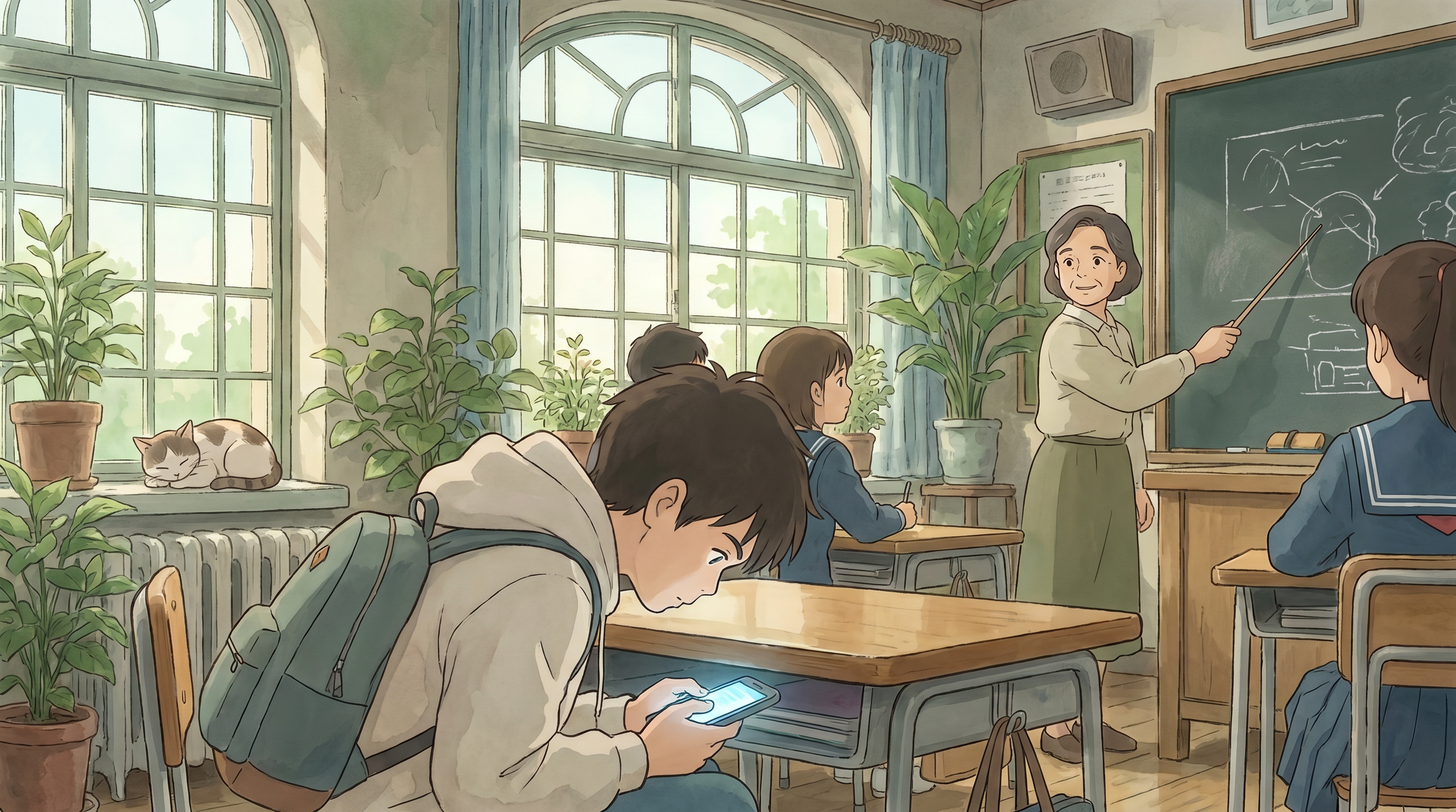
Headteachers and staff across England, Wales, Scotland, and Northern Ireland are watching this closely. With the peer pressure to be online legally taken away, schools are expecting a massive drop in cyberbullying, digital distractions during lessons, and dangerous playground trends. However, teachers worry the stress will just shift sideways. Instead of teaching, staff fear they'll become digital bouncers, constantly hunting down smartphones and dealing with the fallout of an underground "workaround culture" inside the school gates.
3. British Parents: A Massive Relief Paired with Admin Headaches
For mums, dads, and guardians across Britain, the law is a massive win. Instead of being the "cruel parent" who says no to Snapchat while everyone else has it, you can now blame the government. It sets a level playing field for every household. The catch? The admin is going to be a proper headache. Parents will be the ones uploading passports, driving licences, or doing facial-age scans just to verify their own identities and link their kids' accounts, raising massive questions about how secure our data really is.
4. UK Businesses and Tech: A Multimillion-Pound Shake-up
For high street brands and UK digital agencies, the marketing pipelines aimed at Gen-Z are going to vanish overnight. Tech giants face staggering fines from Ofcom—up to 10% of their global turnover—if they let underage British kids slip through the net. Because the penalties are so high, platforms will have to spend absolute fortunes on blocking young users rather than making money from them. The silver lining? It’s going to spark a massive tech boom for UK startups specializing in Highly Effective Age Assurance (HEAA) software.
What Does This Mean for Global Tech?
The UK’s move proves that the era of letting Big Tech mark its own homework is totally dead. As the UK, Europe, and the Commonwealth align into a strict regulatory bloc, we are seeing a major global split:
The New Normal: If the UK and Australia pull this off, growing up without social media until you're 16 will become the standard across the West. Tech giants are already building global updates to parental controls to get ahead of the curve.
The American Disconnect: The USA is lagging way behind. Thanks to strict First Amendment free speech protections, American courts keep blocking these kinds of bans. This means the US will likely remain a digital Wild West compared to a highly regulated UK.
Ultimately, Britain’s 2027 social media ban is a massive cultural experiment. It won't perfectly wipe every under-16 off the internet, but it is going to completely change how tech companies build apps, how British families manage screen time, and what it actually feels like to grow up in modern Britain.