Storage Demand Driven by AI Data Growth
The data explosion behind AI systems
AI models depend on enormous datasets, including text, images, video, and sensor data. AI data centres must store:
Training datasets
Model checkpoints and backups
Logs and monitoring data
This drives sustained demand for high-capacity solid-state storage.
Effects on consumer SSD pricing
Enterprise customers prioritise high-end, high-durability storage, but this affects the entire NAND flash market. During AI investment peaks:
Consumer SSD prices become more volatile
Larger-capacity drives see sharper price increases
Budget storage options diminish
While consumer storage technology continues to advance, pricing stability is increasingly unpredictable.
Rising Costs Beyond Core Components
Power, cooling, and supporting hardware
AI servers operate at much higher power densities than consumer PCs. Supporting this environment requires:
Advanced power delivery components
Improved cooling solutions
Higher-quality circuit boards and controllers
These components share manufacturing resources with consumer hardware. As production standards rise, costs spread across all product segments, including PCs.
The Rising Cost of Building Modern Hardware
Manufacturing cutting-edge hardware has never been more expensive. Several factors contribute to this trend:
Increased energy usage in semiconductor fabrication
Advanced equipment and extreme precision requirements
Skilled labour shortages
Complex global logistics
AI accelerates investment in new technologies and packaging methods, increasing costs across the supply chain. Ultimately, consumers absorb a portion of these expenses through higher component prices.
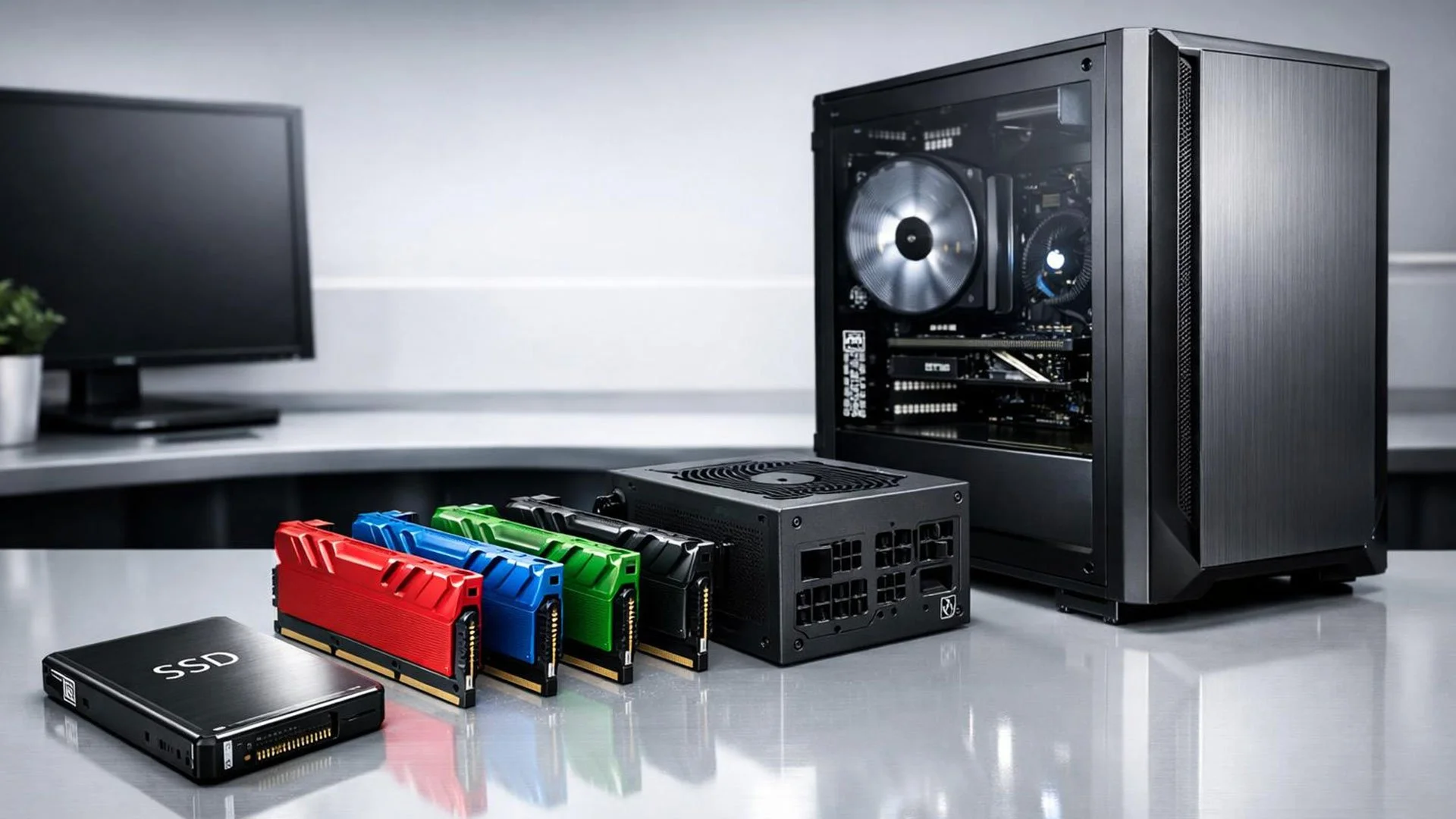
Market Concentration and Price Volatility
“A small number of firms dominate global semiconductor production.”
When AI demand surges, these companies can adjust output strategically. The result is:
Faster price increases during shortages
Slower reductions when demand eases
Greater volatility in consumer PC pricing
This concentrated market structure amplifies the impact of AI demand on everyday hardware costs.
The Cyclical Nature of the Hardware Industry
How AI changes traditional cycles
The semiconductor industry has always followed supply-and-demand cycles. However, AI shortens downturns by rapidly absorbing excess capacity. This creates:
Faster rebounds in component pricing
Higher long-term price floors
Reduced periods of consumer-friendly oversupply
Even when prices stabilise, they often settle at higher levels than before.
What Rising PC Component Prices Mean for Consumers
Short-term implications
RAM and GPU prices remain elevated
Fewer budget-friendly new platforms
Used hardware retains value longer
Long-term changes
Slower upgrade cycles
Increased interest in last-generation components
Greater focus on value rather than peak performance
PC buyers are increasingly forced to weigh necessity against cost.
How Consumers Can Adapt to Higher Prices
Practical strategies include:
Avoiding early adoption of new hardware generations
Choosing proven previous-generation components
Upgrading selectively rather than replacing entire systems
Timing purchases during market slowdowns
An informed approach becomes essential in this new hardware landscape.
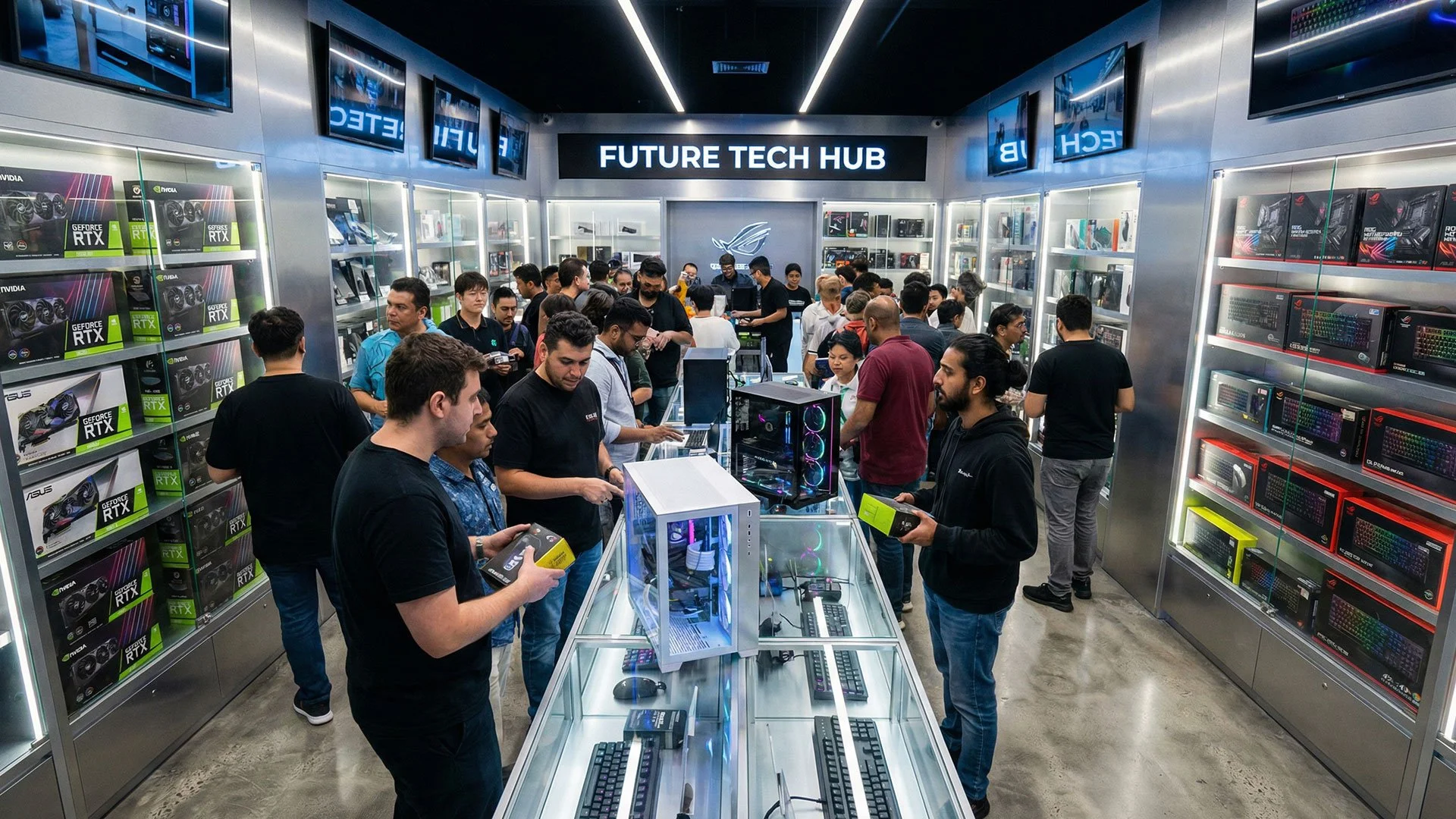
Conclusion: AI’s Hidden Impact on PC Hardware Prices
The rise of artificial intelligence is delivering powerful new capabilities, but it also has unintended consequences. As AI data centres expand, they compete directly with consumers for silicon, memory, storage, and manufacturing capacity.
This competition drives up costs, tightens supply, and reshapes pricing across the PC hardware market. While innovation continues, the assumption that computer components will naturally become cheaper over time is no longer a certainty.
Understanding how AI influences hardware economics allows consumers and businesses to make smarter purchasing decisions in a market that is increasingly shaped by intelligent—but resource‑intensive—technology.

FAQs
-
AI systems require large quantities of GPUs, memory, CPUs, and storage. AI data centres buy these components in bulk, reducing supply for consumers and driving up prices across the PC hardware market.
-
GPUs and RAM are the most affected, followed by CPUs and SSDs. These components are essential for both AI servers and consumer PCs, creating direct competition for manufacturing capacity.
-
While enterprise hardware is more specialised, it relies on the same silicon fabrication, memory supply, and packaging technologies used for consumer PC components.
-
Prices may stabilise when production expands, but AI demand is creating a higher long‑term price baseline. Significant price drops are becoming less frequent.
-
AI data centres purchase GPUs at scale and prioritise long‑term contracts. This limits consumer supply and slows the usual post‑launch price reductions.
-
Yes. As manufacturers focus on higher‑margin enterprise hardware, fewer low‑cost components are produced, reducing affordable options for budget PC builders.
-
Buying previous‑generation components, avoiding launch periods, upgrading selectively, and monitoring market cycles can help reduce costs.