Clubcards, AI, and the End of Fixed Pricing: Efficiency or Exploitation?
Right, let’s talk about the weekly shop. We’ve all been there: wandering down the aisle at Tesco or Sainsbury’s, hunting for that specific brand of oat milk that’s actually drinkable. You see the price, you pop it in the trolley, and you move on. Simple, right?
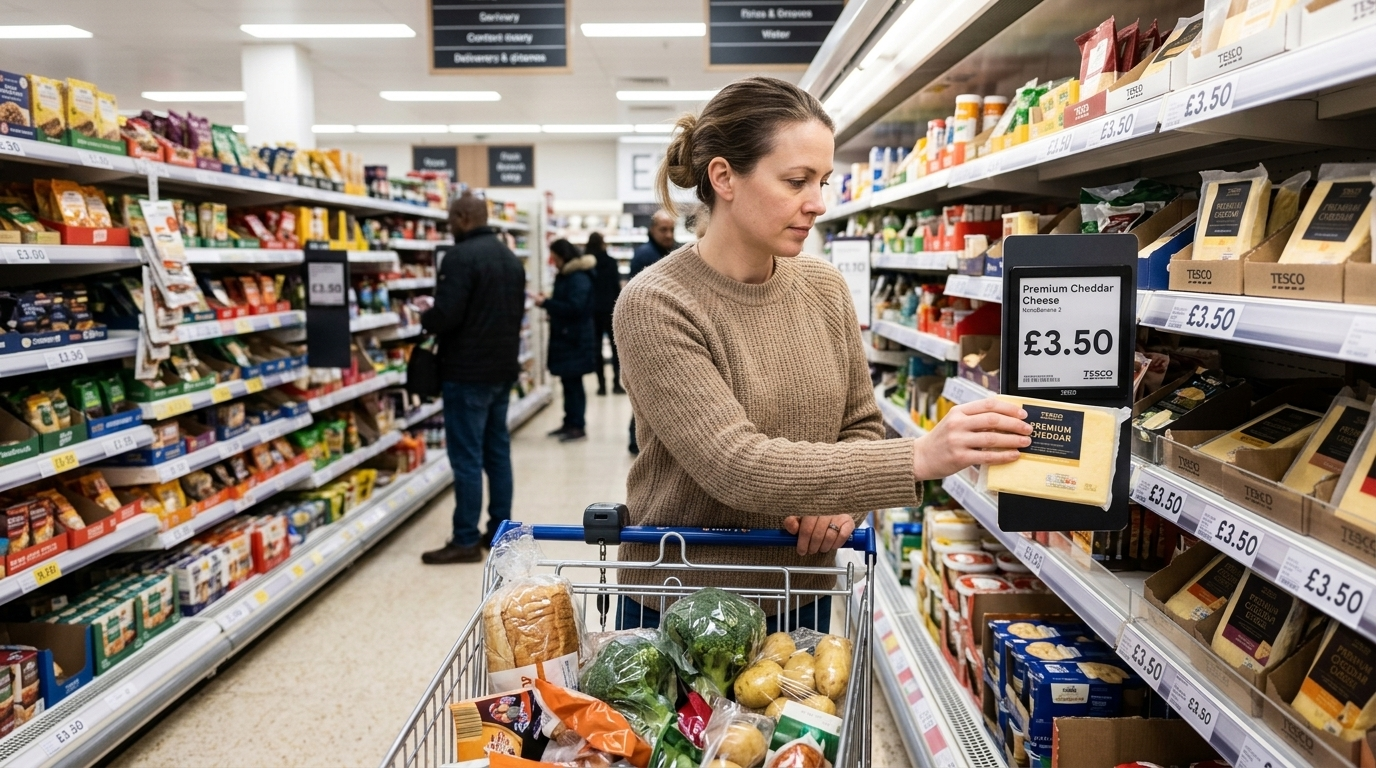
Well, hold onto your Clubcard, because things are about to get weird. You might have noticed those fancy little digital screens replacing the old paper price tags. They’re called Electronic Shelf Labels (ESLs), and they’re the gateway to a world where your butter might cost 20p more at 5:30 PM than it did at 10:00 AM.
Welcome to the end of the "fixed-price" era.
The Tech Evolution: From Loyalty Cards to Algorithms
For years, our relationship with supermarket pricing was simple: we handed over our data via Clubcards or Nectar cards in exchange for a few quid off our bill. It felt like a fair swap.
But now, the game has changed. Supermarkets are taking that data and plugging it into high-speed AI algorithms. With the help of those digital shelf screens, they can now change prices on the fly across the entire store. It’s no longer just about "Member Prices"—it’s about Real-Time Pricing.
The "Efficiency" Argument: Why It’s Not All Bad
If you ask the big bosses at Asda or Morrisons, they’ll tell you this is a win for everyone. Here’s why:
The War on Waste: We waste a shocking amount of food in Britain. Dynamic pricing allows the shelf to automatically drop the price of anything nearing its expiry date. Instead of a staff member manually hunting for bruised bananas at 4 PM, the AI handles it, ensuring food gets eaten rather than binned.
The Price Match Race: The German giants, Aldi and Lidl, have been keeping the "Big Four" on their toes for a decade. Dynamic pricing lets big supermarkets match a competitor’s price drop in seconds. For the savvy shopper, this means you’re always getting the best local deal without having to trek across the car park.
The "Exploitation" Worry: Are We Getting Ripped Off?
This is where it gets cheeky. While "efficiency" sounds great in a boardroom, it feels different when you’re the one tapping your card at the till.
The "Convenience" Tax: Imagine you’re a nurse finishing a 12-hour shift. You nip into the shop at 8:00 PM because that’s the only time you can. If the algorithm knows it's "peak time" and bumps up the price of a ready meal, that feels like a kick in the teeth. It’s essentially a tax on being busy.
Price Anxiety: Nobody wants to feel like they’re being played. If you can’t predict how much your shop is going to cost from one day to the next, it makes budgeting a nightmare—especially with the cost-of-living crisis still biting hard in places like Manchester, Birmingham, and Glasgow.
The Ethics: Is it Actually Fair?
Supermarkets already practice a form of "Geo-pricing." We know a sandwich in a London Express store costs more than in a Sheffield Superstore. But AI takes this to a granular level.
If the shop knows you really need nappies right now, and they hike the price because the data says you'll pay it... That’s a moral minefield. The CMA (Competition and Markets Authority) is already sniffing around to make sure these algorithms aren't "colluding" to keep prices artificially high across the high street.
The Verdict
The "Fixed-Price Shop" is a relic of the past. As we move further into 2026, the price on the shelf will be as fluid as a stock ticker.
How to stay ahead:
Watch the Screens: If the price tag is a digital screen, it’s "live."
Lean into the Data: If they're using your data to set prices, make sure you're using their apps to find the "stealth" discounts.
Timing is Everything: If you can shop during the "lull" (usually mid-morning), you’re far more likely to catch the algorithm in a generous mood.
At the end of the day, if this tech helps us cut waste and keep prices competitive, we might accept it. But the moment they start charging "surge prices" for a box of tea bags on a rainy Tuesday? That’s when the British public will draw the line.