From Engineering Lead to Apple CEO: What the John Ternus Era Means for the Future of Tech
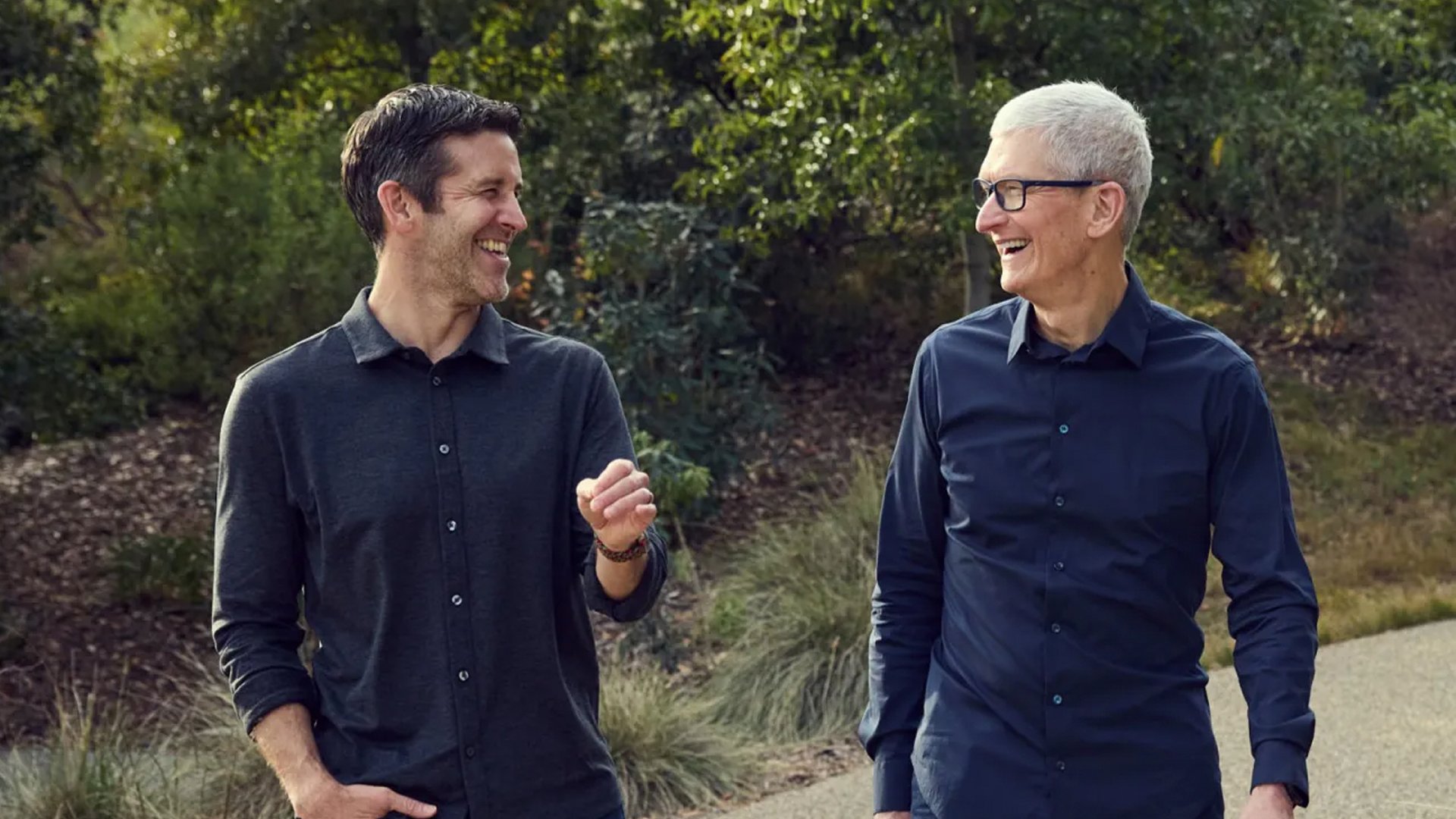
The tech world recently experienced its most significant leadership shift in fifteen years. On 20 April 2026, Apple officially announced that Tim Cook will transition to Executive Chairman, passing the torch to John Ternus, the company’s former hardware chief.
As Ternus prepares to take the helm on 1 September 2026, many are asking: what does this mean for the world’s most valuable company? From a "product-first" philosophy to a massive shift in AI strategy, here is everything you need to know about the new era of Apple.
Who is John Ternus? The Engineer at the Helm
John Ternus is not a newcomer. A 25-year veteran of the Cupertino giant, Ternus joined Apple’s product design team in 2001. Unlike Tim Cook, who rose through the ranks as an operations and supply-chain wizard, Ternus is a "product guy" through and through.
Before being named CEO-designate, he served as the Senior Vice President of Hardware Engineering. He is the man credited with overseeing the transition to Apple Silicon, the move that saw Apple ditch Intel processors in favour of its own world-leading M-series chips.
The Architect’s Portfolio: John Ternus’s Engineering Legacy
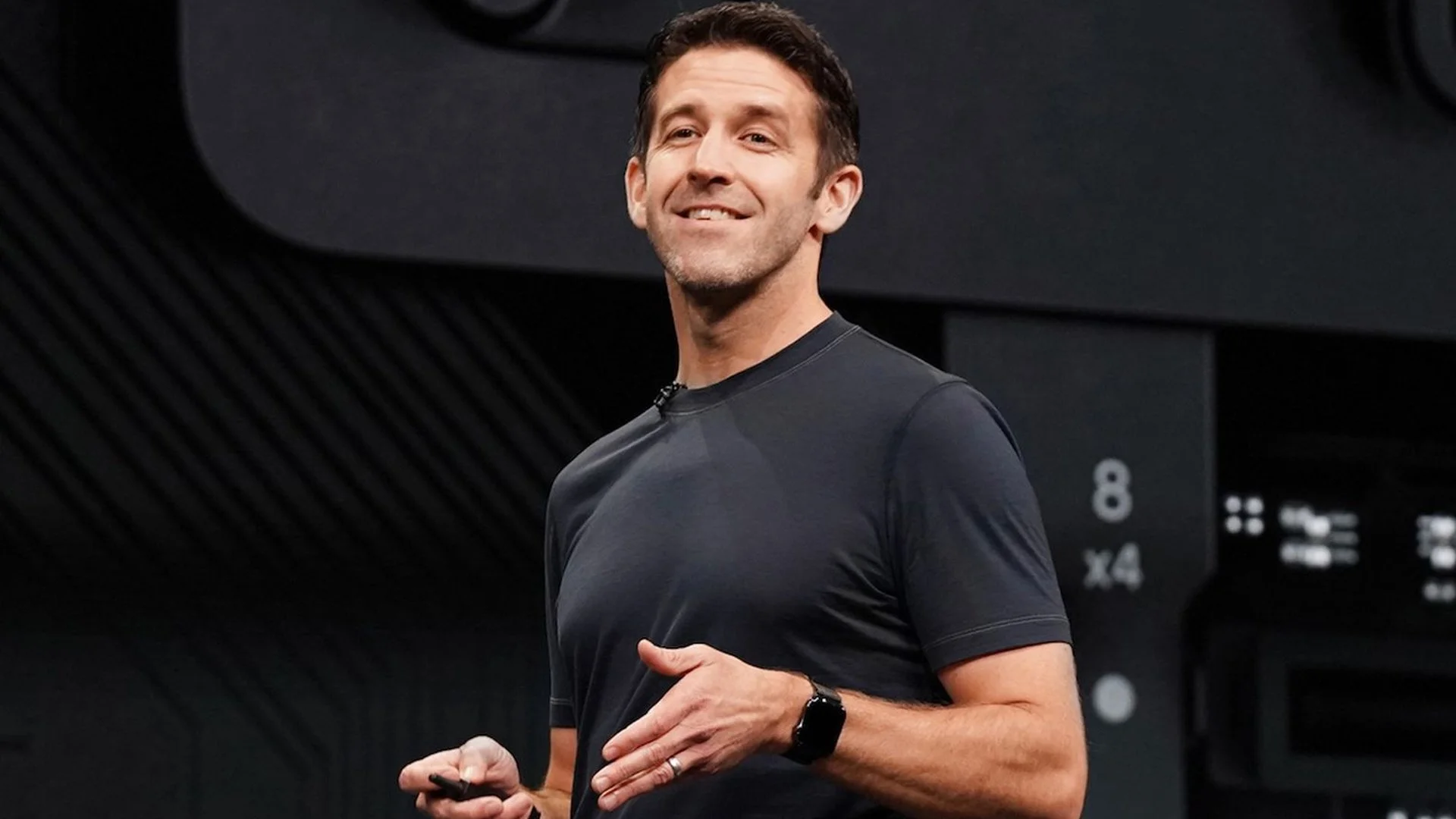
Before stepping into the corner office, Ternus built a reputation as the "engineer’s engineer." His career has been defined by moving experimental technology into the hands of millions.
Early Career: Virtual Research Systems (1997–2001)
Before joining Apple, Ternus spent four years as a mechanical engineer at Virtual Research Systems.
A VR Pioneer: Long before the Apple Vision Pro was a concept, Ternus worked on head-mounted displays and immersive human-computer interfaces.
Technical Foundation: This early exposure to the physical challenges of wearable technology—balancing weight, heat, and display clarity—provided the groundwork for his later work on Apple's wearables.
Key Contributions at Apple
Ternus has touched nearly every major piece of hardware Apple has produced, often leading the most difficult transitions in the company's history.
The Mac Revolution: Ternus coordinated the shift to Apple Silicon. He also famously pushed for the use of magnets to hold the iMac’s glass screen in place, a design choice that simplified manufacturing and improved aesthetics.
The iPad & Apple Pencil: Involved in the iPad since its first generation in 2010, he later led the team for the original iPad Pro. He also spearheaded the second-generation Apple Pencil with its magnetic charging system.
AirPods & Wearables: He was instrumental in turning AirPods into a global phenomenon, overseeing the integration of Active Noise Cancellation and, more recently, FDA-certified hearing aid functionality.
iPhone 17 "Air": His team developed the iPhone 17 Air, the thinnest iPhone ever made (at just 5.6mm), using a unique "plateau" internal architecture to save space.
A Shift from Operations to Innovation: How the Change Affects Apple
Under Tim Cook, Apple became a financial juggernaut, mastering the global supply chain and reaching a $4 trillion valuation. The appointment of Ternus signals a pivot back to Apple’s roots: engineering excellence.
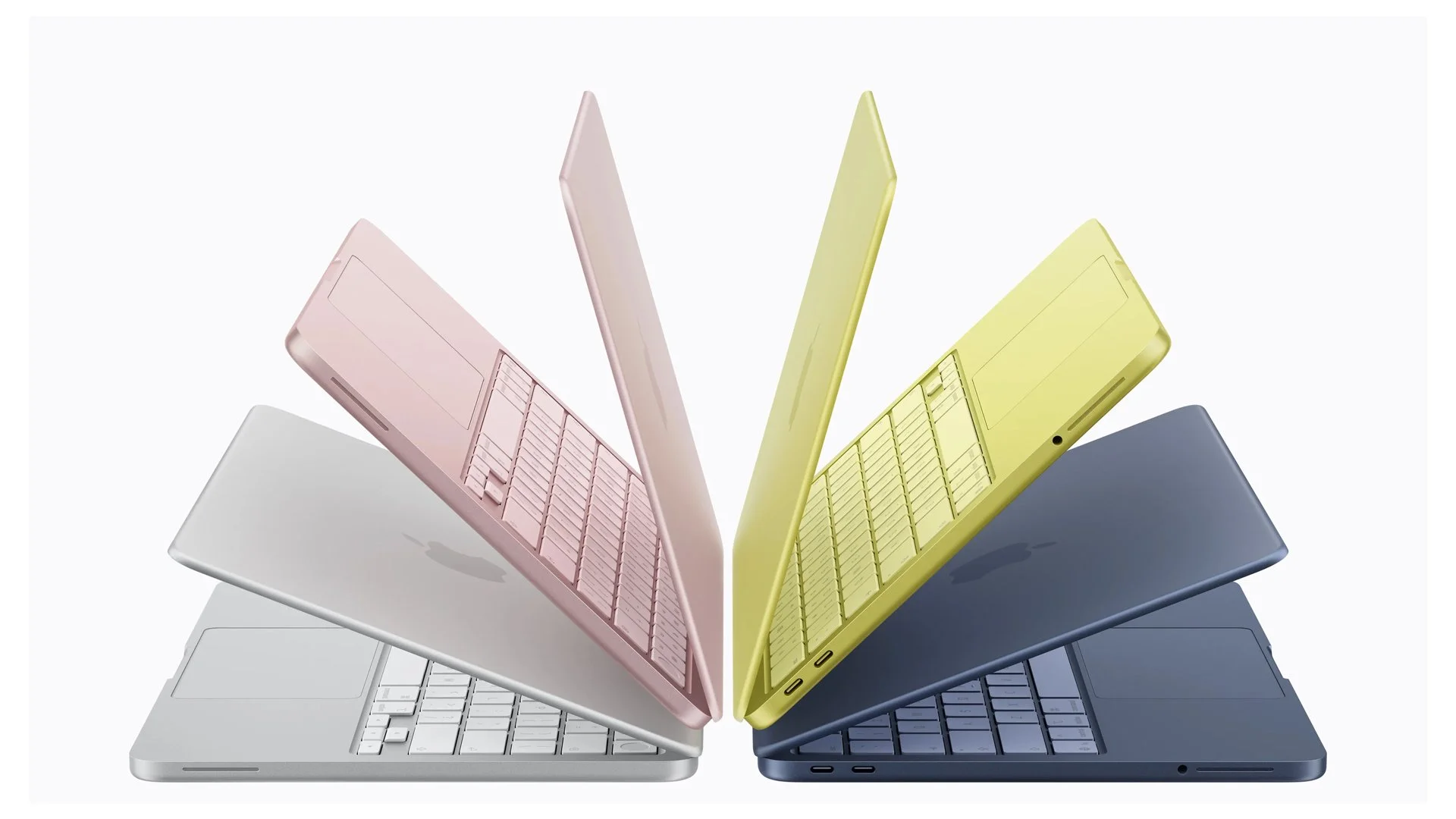
The "MacBook Neo" Effect: Ternus has already shown a willingness to experiment. The launch of the MacBook Neo—Apple’s first true "budget-friendly" performance laptop—is seen as a Ternus-led initiative to capture broader global markets.
Hardware-Software Synergy: He even lobbied software chief Craig Federighi to create iPadOS, arguing that iPad hardware was being stifled by phone-based software.
Leadership Continuity: Investors have reacted positively because Ternus represents "continuity with a twist." While he maintains Cook's operational discipline, his background suggests a return to the "insanely great" product philosophy of the Jobs era.
Leading the AI Revolution: Apple Intelligence 2.0
The biggest challenge Ternus faces is the Generative AI race. While competitors focus on cloud-based chatbots, Ternus is championing on-device AI.
By leveraging the custom silicon he helped create, Ternus plans to make "Apple Intelligence" a local, private, and incredibly fast experience. For users in the UK and Europe, where data privacy is a top priority, this "privacy-first" AI hardware could be Apple’s greatest competitive advantage.
Financial Strategy: Moving Beyond Buybacks
One of the most talked-about changes under Ternus is the shift in how Apple spends its "war chest" of cash.
| Feature | The Cook Era (2011–2026) | The Ternus Era (2026–) |
|---|---|---|
| Primary Focus | Supply Chain & Profitability | Product Innovation & R&D |
| Cash Usage | Massive Stock Buybacks | Acquisitions & Infrastructure |
| AI Strategy | Software-Integrated | Hardware-Native & Local |
| Market Goal | Stability & Growth | Market Disruption |
Final Thoughts: The Future of Apple
John Ternus isn't just replacing Tim Cook; he is evolving the role of the Apple CEO. By combining Cook’s operational discipline with a deep, technical passion for the products themselves, Ternus is positioned to lead Apple through the next decade of spatial computing and artificial intelligence.
The future of Apple under Ternus looks to be one of technical risk-taking. With foldable devices expected later in 2026 and a massive push into modernised manufacturing hubs, the "Ternus Era" will be defined by bold hardware, private AI, and a renewed focus on the user experience.
The September transition will be the most-watched leadership change in corporate history. If the early signs are anything to go by, Apple is ready to prove it can still surprise the world.